

How to Become a Driving Instructor?
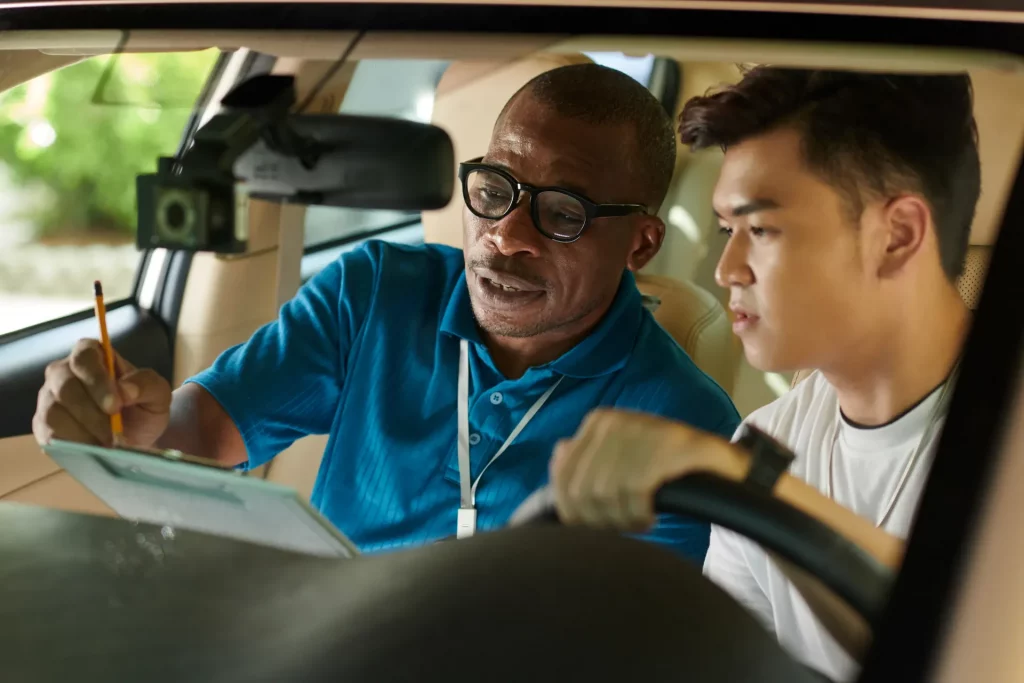
If you like teaching and driving, becoming a driving instructor is a logical choice. It has constant demand, flexible hours, and the ability to run your own business. Many people change jobs later in life and do well in their new ones. If you are wondering how to become a driving instructor, the process is structured but achievable. You have to have the correct mentality, the right training, and pass a set of approved tests. This guide breaks down each step in simple terms, so you know precisely what to expect and how to move forward with confidence. What is the real job of a driving instructor? A driving instructor does more than teach you how to drive. You help students learn how to stay safe for the rest of their lives. This includes creating lesson plans, tracking progress, and preparing students for real-life road dangers. You also need to be patient. Each student is unique. Some people need to feel confident. Others need things to be in order. Good teachers adapt their teaching to each student. Many teachers work at a driving school. Some people decide to work for themselves. Depending on your aims, either solution can work well. What You Need to Be a Driving Instructor in the UK You must follow the tight legal rules before you may apply. These keep standards high and protect students. These are the most important things that driving instructors need to have: You have to be at least 21 years old. You must have had a full UK driving license for three years. You need to pass a background check. You have to meet the eyesight requirements. People often ask how old you have to be to become a driving instructor. It’s easy to answer. You need to be 21 and have adequate driving experience to instruct safely. You can start training if you meet these requirements. A Simple Explanation of Driving Instructor Qualifications To teach people how to drive for money, you need to become an Approved Driving Instructor (ADI). This means passing three formal tests given by the DVSA. The same driving teacher qualifications are required all over the UK. Part 1: Test of Theory and Danger This test checks how well you know the rules of the road, safety, and how to educate. It has multiple-choice quizzes and videos that show how to spot hazards. You need to study hard. A lot of people don’t think this part is important. Part 2: Test of Driving Skills This test tests how well you can drive. The person giving the test wants a high level of quality. You need to prove that you can be cool, prepare ahead, and be safe. Your driving has to be superior to most people’s. This is not a test for students. Part 3: Test of Teaching Skills This is the last step. You need to prove that you can teach straightforwardly and safely. The person testing you observes you as you prepare a student. This part is all about safety, structure, and communication. You become an ADI if you pass all three parts. What Training You Need to Become a Driving Instructor You learn a lot more than just how to drive when you prepare to be a driving instructor. A good course covers how to teach, organize lessons, and handle risks. Most of the time, training includes: Coaching one-on-one Tests that are not real Training in how to structure lessons Basics of student psychology Advice on how to start a business Getting good training will increase your chances of passing the first time. What to Expect From Your Training Programme Your training program should feel organized and helpful. You should know what you are learning every week. Theories are the first thing most programs do. Then they learn how to drive. Later on, you’ll learn how to teach. Honest feedback is what good trainers do. They get you ready for the real test. You should never feel rushed or lost. At Pharez Driving School, the focus is on effective teaching, not quick fixes. Bill Plant Driving School: Training for Driving Instructors Bill Plant Driving School offers training for driving instructors. Many contenders choose well-known national providers. People commonly compare Bill Plant Driving School to other schools. Big schools have fixed programs and help with branding. Smaller schools often deliver more one-on-one help. Your learning style, budget, and long-term goals will help you choose the ideal option. Always ask about pass rates, help after you get your qualification, and the terms of the contract. hool What Driving Instructor Training Covers All of the main topics should be covered in a full course. These are more than just test questions. Important areas are: How to teach nervous students Taking care of lesson time How to handle mistakes safely Getting students ready for test stress Driving practices that are good for the environment Rules about how to act professionally These abilities will help you do well long after you get your degree. What You Need to Know About the Cost of Driving Instructor Training The cost of training to become a driving instructor varies widely. The length of the course, the trainer’s experience, and the quality of support all affect the price. Costs usually range from £1,500 to £4,000. Some services let you pay as you go. Some people offer comprehensive packages. Watch out for claims that you will pass. No one can promise outcomes. Always find out what’s included. Find out how many hours of training you get. See if the test fees are included. How to Apply to Be a Driving Instructor The first step in applying to become a driving instructor is to complete a form and submit it to the DVSA. You should also check your criminal record. You can book Part 1 once you get the go-ahead. You have 2 years to pass all 3 parts; after that, you have to pass all 3 parts. You might have to start
How to Book a Driving Test?
Once you know how, it’s easy to book a driving test in the UK. You need a valid provisional license, a passing score on the theoretical test, and the appropriate way to book. Most students book online through the official government system. It’s important to get the timing, preparation, and details right. This tutorial gives you clear, immediate answers if you want to know how to book a driving test. You will learn who can make a reservation, how long the wait is, what the new system looks like, and how to select the best dates. Everything is stated clearly in English, so you can book with confidence and avoid mistakes. Can I make an appointment for a driving test? Yes, you can book a driving test if you follow three fundamental conditions. To begin, you need a valid UK provisional driving license. Second, you need to have passed the theory test. Third, you must feel ready to take the practical test. You can still book your test even if you’re still learning. Many learners book early due to long waits. You can easily modify the date later if needed. The government allows adjustments up to a specific deadline, as described below. If your teacher thinks you are close to passing the test, it’s a good idea to book early. This helps you get a spot while you finish your training. How long do you have to wait for a driving test? In the UK, the time it takes to get a driving test varies. Delays are usually longer in busy cities. In certain places, you might have to wait for months. This is why many students look for cancellations every day. When someone else changes or cancels, test slots open up. Early mornings and midweek dates often come first. To cut down on waiting time: Check to see whether it’s available often Be open to different exam centers. Think about places close by. You don’t have to hurry just because you’re waiting a long time. Use the time to work on skills that aren’t as strong and how well you do on practice tests. The New System for Booking Driving Tests To stop people from abusing it, the government made changes to the driving practical booking system. Only genuine learners should access test slots. You now need: The number on your driver’s license The number of your theoretical test pass A valid email address The system only lets you check or update dates a certain number of times. This helps keep bots and resellers from getting in. The procedure is still straightforward and fair for true learners. Always go to the official government website. Stay away from third-party sites that charge more or offer speedier exams. If my theory test expired during lockdown, do I have to do it again? If your theory exam expired during the COVID-19 lockdown, the answer depends on when it happened. During the lockdown, there were temporary extensions. These extensions are no longer available. You need to take the theoretical test again if it is due today. You can’t finish booking practical test until you have a valid theory pass. To verify your status, use your theory pass certificate number online. If you’re not sure, taking the theory test again early will keep things moving. Practise Makes Perfect Getting a good score on the test depends on skill, not luck. Make good use of the time you have to wait. Good things to do are: Driving fake tests Driving practice on your own Training to be aware of hazards Advice from a trained teacher Many students fail because they are nervous or make small mistakes. Practicing helps you feel less stressed and more confident. Keep track of how you’re doing and work on your weak spots. Our guide: How Many Units to Drive? Describes how lessons are usually broken down, which can help you comprehend lesson structure better. How to Use the DVLA Practical Driving Test Booking System A lot of students say DVLA when they mean DVSA. This isn’t very clear, so let’s make it plain. What is the DVLA? The DVLA is responsible for licenses and vehicle records. They don’t give driving tests. Who Is in Charge of Driving Tests? In the UK, the DVSA is responsible for both theory and practical testing. A DVSA test is what most people mean when they say “practical test UK.” A Look at the Booking Process The steps in the procedure are as follows: Go to the official site for booking Fill in your license information Put in your theory test number Pick a place to take the test Choose a time and date Pay the money for the exam You will get an email confirming your reservation when you book. Take care of this. How to Set Up Your Driving Test Appointment Most students can follow this step-by-step guide. Booking Online The quickest way is to book online. This is where most people book driving test slots. You will need: UK provisional licence number Book my theory test number from your pass certificate. Credit or debit card The system indicates open dates. Pick one that matches your level of readiness. Booking via Phone You can book via phone, although it’s not as common. Long wait times are possible. Booking online provides you with more control and visibility. Finding the best test dates and checking availability Availability varies every day. You need to check more than once. How to locate earlier dates: Sign in early in the morning Check a few times a day Check out test centers near you. If you can, avoid weekends. Keep looking for dates if you can’t find any. Many students do well because they are patient, not because they pay for help. Book your driving test NI. The system in NI is a little different. Always use the official NI website to book. How Much Does It Cost to Book a Driving Test? Many students want to know
How Many Units to Drive?

There is no safe or exact amount of alcohol that you can consume and still drive. Just one drink can change how well you can think, respond, and make decisions. The limit set by law is not a safety guide. It is just a line in the law. A lot of folks look for how many units to drive because they want a clear answer. The truth is straightforward but hard to hear. The UK drink drive limit doesn’t mean that you can drive safely, as alcohol affects everyone differently. This guide breaks down the facts in simple terms so you can make smarter decisions and stay safe, legal, and confident on the road. Looking for information on drunk driving and the legal alcohol limit There is no safe or exact amount of alcohol that you can consume and still drive. Just one drink can change how well you can think, respond, and make decisions. The limit set by law is not a safety guide. It is just a line in the law. A lot of folks look for how many units to drive because they want a clear answer. The truth is straightforward but hard to hear. The UK drink drive limit doesn’t mean that you can drive safely, as alcohol affects everyone differently. This guide breaks down the facts in simple terms so you can make smarter decisions and stay safe, legal, and confident on the road. How alcohol affects driving Alcohol slows your brain before you feel drunk. That is why it is risky. Even small amounts can cause: At 30 mph, a 1-second delay adds over 13 metres to the braking distance. That distance can mean hitting a child instead of stopping. This is why asking how many units to drive misses the real issue. Driving needs fast thinking and calm control. Alcohol weakens both. The law and drink driving alcohol limits in the UK The UK has clear legal restrictions, yet they change from place to place. England, Wales, and Northern Ireland: 80 milligrams of alcohol for every 100 ml of blood 35 micrograms for every 100ml of breath 107mg for every 100ml of pee Scotland: 50 milligrams per 100 ml of blood 22 micrograms for every 100ml of breath 67mg for every 100ml of urine These values are the legal limit for driving, not a safe level. Many drivers are unsafe even when they are below these restrictions. The cops only care whether you are over the limit if you are stopped. Your reasons don’t matter. How much can I drink and still be okay? This is the question that most people ask, and it’s also the hardest to answer. A lot of the time, guides say stuff like: One big glass of wine may put a petite woman over the limit. Two pints of strong beer may be too much for a big man. These are only broad ideas, not rules. Things that affect your result: Weight of the body and muscle mass Food consumed before to or during alcohol consumption Drink strength and size Time spent drinking Being exhausted and stressed Drugs Because of these things, counting alcohol drink driving units is not dependable. A breathalyzer you can use at home can assist, but it’s not perfect. The safest answer to the question of how many units to drive is still none. How many drinks do you need to drive? A “standard drink” is not a legal measure; it’s only a suggestion. In the UK: One unit is 10 ml of pure alcohol. For example: One unit is about half a pint of regular beer. A small glass of wine (125 ml at 12%) is roughly 1.5 units. One shot of pub spirit is around one unit. A big glass of wine can include three or more units. Some strong craft beers have more than two units in a half pint. Many drivers don’t realize this. They believe they had “two drinks,” but they actually had five units. If you are trying to calculate uk drink drive limit units, you are already taking a risk. Your liver can only handle one unit at a time, and occasionally less. This won’t go any faster with coffee, cold showers, or walking. How would they check to see if I was drunk driving? The police can pull you over at any time. They don’t require a reason. Some common causes are: Driving slowly or swerving The smell of alcohol Speech that is slurred Red eyes After a crash Steps for testing: Breath test on the side of the road You will be arrested if you go over the limit or refuse to take a test. Breath test at the station for evidence Blood or urine test if needed Not taking a test is a major crime. It has the same penalties as driving while drunk. What will happen to me if I’m caught drinking and driving? Penalties are harsh and long-lasting. Possible results: At least a year-long driving ban Fine with no limit As long as 6 months in jail Record of crime Insurance prices have been going up for years. If you hurt or kill someone, you could spend several years in prison. Drunk driving can destroy a learner driver’s driving career before it even starts. At Pharez Driving School, we know that one error might keep you from being independent for years. Why the idea that “one drink is fine” is dangerous Many drivers still use outdated advice or comments they heard at the pub. This is dangerous. Things people say that aren’t true: “I feel fine, so I’m fine,” “I only drove a short distance,” “I ate a big meal,” and “I waited an hour.” First, alcohol distorts your judgment. Being sure of yourself doesn’t imply you’re safe. Even though modern cars may feel stable, they can’t think for you. One bad choice still causes a crash. How to change how you drink alcohol You don’t have to stop going out
Can Learners Drive on the Motorway?
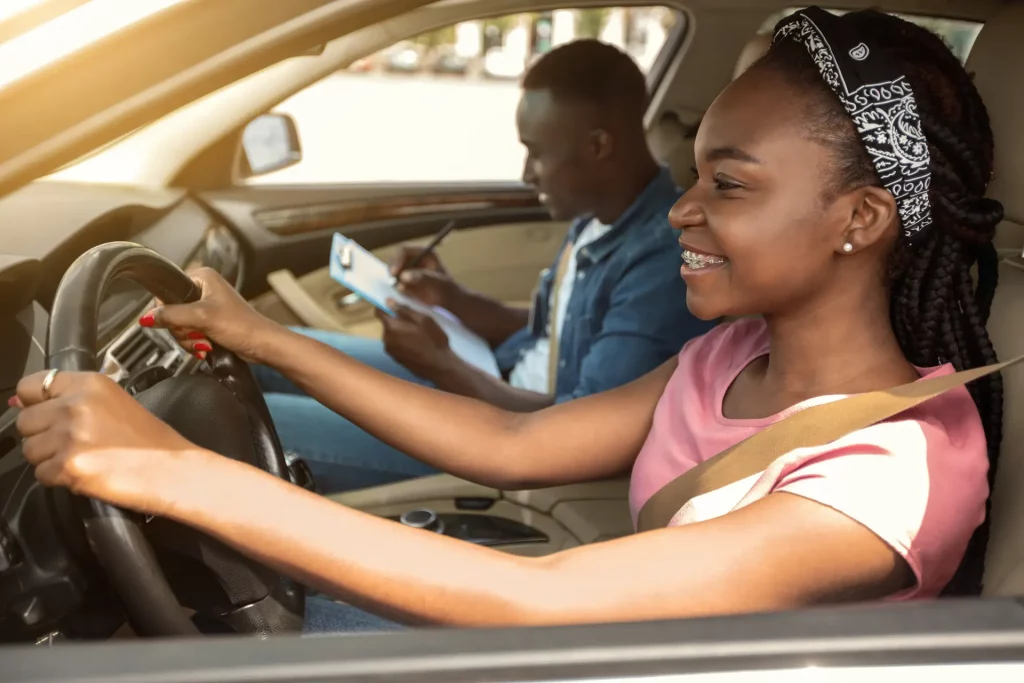
A lot of new drivers are worried about the restrictions on the motorway. They want to know if they can join one, when they can, and what will happen if they make a mistake. The answer is straightforward, and it’s not as hard as most people think. This guide tells you everything you need to know if you’ve ever wondered can learners drive on the motorway. You will learn the regulations, who can join you, what to stay away from, and how to be safe on fast highways. Can Everyone Who Learns to Drive Use the Motorway? Yes. Learners can drive on a motorway but only under certain conditions. You need to be with a licensed driving teacher, and the automobile must have two sets of controls. You can’t utilize the motorway if you’re alone with a friend or family member. Many students at Pharez Driving School take highway lessons while learning, as they help them feel more confident and prepare them for driving in the real world. What are the rules for learners driving on the motorway? If you’re learning to drive and wish to use the motorway, you must observe these rules: You need to have a temporary license. You need to be in a car that has two sets of controls. An ADI-certified driving instructor must be with you at all times. The vehicle must have L plates (or D plates in Wales). You have to observe the rules of the motorway, like using the right lane, keeping a safe distance, and not going too fast. These guidelines keep you safe and help keep driving on the freeway safe. What happens if a learner driver accidentally gets on the Motorway? If you miss a turn or follow the wrong road signs, this could happen. If you mistakenly get on a motorway while driving with a family member or friend, be calm and don’t stop on the hard shoulder unless you have to. Do this: Keep your speed the same. Stay in the left lane. Make sure to take the next exit safely. Don’t change lanes unless you have to. You normally won’t get in trouble as long as you get out safely and don’t drive carelessly. The idea is to act smartly and safely. Is it against the law for a learner to drive on the motorway? Is it against the law for a learner to drive on the motorway?If you meet the requirements, it is not against the law. But it is against the law if you are not with a driving teacher. There are no dual controls in the automobile. You try to join by yourself or with a friend. You must stay off the motorway if any of these are true. What Happens If I Drive on the Motorway as a Learner Without an Instructor? If you don’t obey the rules when driving on the freeway, you could: Points for breaking the law A fine Getting your complete licence takes longer than expected. Problems with insurance Take these guidelines very seriously. Motorways have a lot of fast-moving traffic therefore, you need help the first time you use one. What Are the Speed Limits on Dual Carriageways and Motorways? Speed limits are there to keep you safe. This is what you need to know: Motorways: Unless signage specifies otherwise, the speed restriction is 70 mph. Dual carriageways: The speed limit is also 70 mph unless signage says otherwise. Variable-speed zones: You can usually find them near roadworks or congested intersections. The speed limit is the highest speed you can go, not the speed you have to go. Always adjust your plans based on the weather and the road conditions. Are Learner Drivers Allowed on Motorways? Yes. As long as they follow the laws, learner drivers can drive on motorways. Many schools, like Pharez Driving School, recommend taking at least one motorway lesson because it helps you build confidence and better hazard awareness. If you’re planning your training and wondering How Long Is a Driving Test?, remember that motorway skills aren’t directly tested. Still, the experience you gain makes you a stronger, safer driver overall. Can provisional drivers use the motorway? Many people want to know whether temporary drivers can drive on a motorway. Yes, but again, monitoring is the most important thing. You can’t drive with just a provisional licence. You need a skilled teacher, a car with two controls, and the right learner plates. This is why access to the highway is limited. Most trainees are still working on their skills for high-speed roads. What Are the Rules for Learner Drivers on the Motorway? Here is a basic list of the rules for new drivers: No private practice You can’t take highway instruction with your family or friends. An ADI instructor can only help you They know how to instruct safely, monitor speed, and assist with lane changes. You can only operate a car with two sets of controls This lets your teacher hit the brakes when needed. You have to observe the regulations of the road This includes knowing how to stay in your lane, how far to keep from other cars, and how to join traffic safely. Is it necessary for all students to drive on the motorway? No. You don’t have to learn how to drive on the motorway before your exam. You don’t have to do them. But many teachers and road safety experts suggest them because driving on motorways is a normal part of life. It’s best to learn with a professional before you pass if you’re feeling apprehensive. You’ll be on your own after you pass your test. Tips for Your First Motorway Lesson Your first lesson on the freeway can be stressful, but these guidelines will help you stay calm and safe: First, drive on dual carriageways. Drive on slower roads to build your confidence. Look far ahead You need to pay close attention to motorways. Look ahead for at least 10 to 12 seconds. Stay
How Long Is a Driving Test?
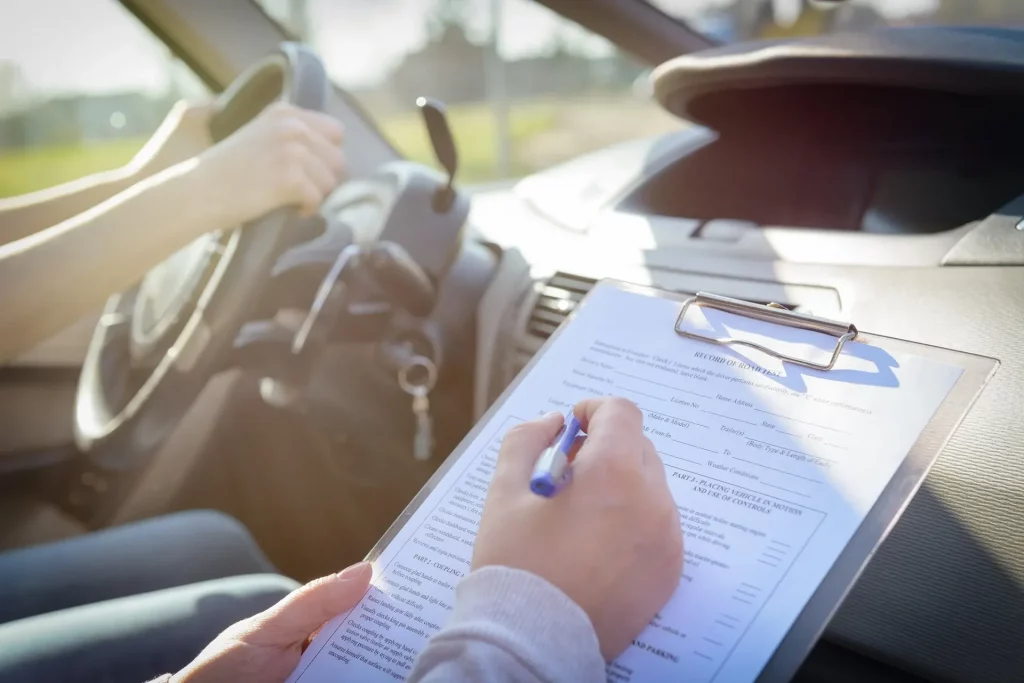
Most students are worried about how long their test will take. The answer is clear: the practical driving test normally lasts between 35 and 40 minutes. The time it takes can vary depending on the examiner, the route, and the condition of the roads. This tutorial gives you a straightforward, step-by-step look at how long is a driving test, what happens during it, and how to enhance your chances of passing. A Timeline of Your Driving Test in Steps Knowing the exact order of the test makes it less stressful and helps you prepare appropriately. Most students follow this schedule on exam day: Getting there (5 minutes) Get there at least 10 minutes early. Please bring your provisional license and be ready to sign a form. This is an easy part. You wait in a small room until the person who is testing you shouts your name. The Eye Check (1 minute) Your examiner tells you to read a license plate from 20 meters away. If you don’t pass this step, the test is over immediately. Many students don’t pay attention to this, so rehearse it beforehand. Questions about the safety of vehicles (3 minutes) These are sometimes called “show me, tell me” inquiries. For example: How do you see how much oil is in the tank? How do you check your brakes before you go? It’s easy, but it still counts toward the ultimate score. General Driving (20–25 minutes) This is the major part of the test. The person giving the test watches how you: Get away safely Look in mirrors Pay attention to road signs Take care of junctions Take care of roundabouts Handle other people on the road The length of the driving test here varies. Still, most examiners need roughly 20 minutes of driving on real roads to observe how you drive. Reversing the car (3–5 minutes) Your examiner chooses one of these: Park in the reverse bay Park in a straight line Pull up on the right and back up. Forward Bay Park (in some test centers). They check your control, spacing, and observation. Driving on your own (10 minutes) You either follow traffic signs or a GPS. This tests how well you can make decisions when you’re under a little stress. As long as you stay safe, you won’t fail if you miss a turn. What About Other Types of Driving Tests? Some students take tests in different ways. This is how long each one generally lasts: Test for automatic cars It takes about the same amount of time as a manual exam, which is 35 to 40 minutes. The regulations and tasks are the same. Motorcycle Test: 15 minutes for Module 1 (off-road) Module 2 (on the road): 35 to 40 minutes Taxi or Private Hire Test: 45–60 minutes due to additional checks. Longer Driving Test Ordered because of a heinous crime. It lasts 60 minutes and is harder. Suppose people at Pharez Driving School have questions about automated lessons or prices. In that case, “How Much Are Driving Lessons” can help them find out how much they cost. 4 Things That Could Change the Time of Your Test The test is meant to measure your talent; however, a few things can change the timing: 1. How much traffic there is Busy roads make everything take longer. This can make your examination take longer, but examiners usually know other ways to get there. 2. Weather Conditions Delays may occur due to rain, fog, or snow. Examiners can drive quieter routes or reduce the number of jobs. 3. Choosing a route Some test centers employ long roadways with two lanes going in each direction. Some people take short paths through town. This changes how long the driving exam takes. 4. The speed at which you drive It takes you longer to reach your destination if you drive too slowly or stop frequently. A speed that is both safe and confident keeps the exam going smoothly. How long does the practical test last? According to DVSA guidance, the practical exam usually lasts 35-40 minutes. This includes: Questions about eyesight and safety Driving in general Driving alone The length of the driving test stays the same, though each examiner may adjust it based on safety and traffic conditions. What If I Get Stuck in Traffic? Heavy traffic does not extend your test endlessly. Most examiners still finish around the expected duration of the driving test time window. Top Tips on How to Pass Your Driving Test Use these tried-and-true techniques to boost your chances of passing: Take practice tests Before your real test, do at least one thorough mock. It reveals where you need to improve. Pay attention to what you see Most of the time, bad checking leads to major mistakes. Mirrors, signals, and maneuvers. All the time. Don’t hurry your test date. You should only take the test when your teacher is sure you can do it. Being confident saves you money and stress. Learn the Moves Keep practicing each one until you can accomplish it without getting stressed. Change Your Small Habits Rolling stops, late signals, or drifting can all add up to small problems. Before you start, ask questions If you don’t understand something, ask your examiner. They are there to aid you, not cheat you. How long does a road test last? When comparing nations or test types, learners typically want to know how long a road test lasts. A road test in the UK usually lasts about 40 minutes. This includes: Driving normally Driving on your own The answer to the question “How long is a driving test” is frequently important to first-time learners: about 35 to 40 minutes. What to Expect on the Road Test The examiner pays the most attention to: Being aware and making plans Finding dangers early and acting wisely. Following Directions Staying in the right lane and making clear choices. Trust Not rushing, yet not stopping. A solid balance can help you pass. Follow
How Much Are Driving Lessons?

It’s fun to learn to drive, but figuring out the cost might be hard. Prices vary across the UK, and many first-time learners don’t know where to begin. You can confidently manage your budget after reading this article. If you’re wondering how much are driving lessons, the quick answer is that most students pay between £30 and £40 per hour. However, the total cost varies depending on how many hours you need, where you live, and who you learn with. What you need to think about when it comes to fees to learn to drive People sometimes forget that there are further fees besides the hourly price when they ask how much are driving lessons. A lot of new drivers just think about how much the lessons cost, but there are many processes involved in learning to drive. These are: A driver’s license that is only good for a short time Driving lessons Cost of the theory test The price of the practical test Extra aid, like practice tests or review sessions Time or money to travel or practice with friends or family Fees for retesting if you fail Seeing the whole picture helps you figure out how much driving lessons cost in total and makes it easier to build a budget that makes sense. It’s a good idea to look at everything you need ahead of time so you know how much it really costs to learn how to drive How much does a temporary driving license cost? You need a valid temporary license before you may take any paid lessons. Application online: £34 Application by mail: £43 Most individuals apply online since it takes less time. Your license generally comes within a week, but the DVLA may need to do some checks first. You need to bring your provisional to every class and test, so keep it safe. How much do driving lessons cost in the UK? This is the first question that every student asks. A lot of people search for “how much are driving lessons” on Google, since the answer varies for each person. Prices for lessons depend on: Your city Experience of the teacher Automatic vs. manual How long does each session last This is the average breakdown for 2025: Cost of a typical driving lesson in the UK Lessons in a manual car cost between £30 and £38 an hour. Lessons in automatic cars cost £32-£40 per hour. Block bookings cost between £260 and £360 for 10 hours. Intensive courses cost between £900 and £1500, depending on the number of hours. Cities with larger populations, like London, Birmingham, Bristol, and Manchester, often charge more. Prices are usually lower in rural locations. When you look at driving lesson prices, don’t just focus on the number. If you need more classes because your teacher isn’t very good, a cheaper one could end up costing you more. What factors determine the price of driving lessons by the hour? Where it is Fees are higher in cities because demand is higher. Grade of the teacher More experienced teachers charge more, but they help you learn faster. Car type The cost goes up since it costs more to keep automatic autos running. The time of day Extra fees may apply during peak hours. Length of the lesson How much do the expenses for driving instructors add to your total? Many students want to know how much the cost of the driving instructor affects the final price. The truth is that your teacher has the most say in how many paid hours you need. A good teacher saves you time, money, and stress. This is why schools with significant expertise, like Pharez Driving School, prioritise the quality of education. Budgeting tips A precise plan helps you stay in charge. Give these easy ideas a try: Set aside money every week. Book block lessons to get discounted prices on driving instruction. Make sure your lessons are the same so you don’t forget what you’ve learned. Save extra money for test costs and private lessons. Don’t change teachers too often. If you live in the capital, this instruction will help you link to other pages on your site. You can stay in charge with a clear plan. Give these easy ideas a try: Set aside money every week. Book block lessons to get discounted prices on driving instruction. Make sure your lessons are the same so you don’t forget what you’ve learned. Save extra money for test costs and private lessons. Don’t change teachers too often. If you live in the capital, this tutorial will help you with internal linking: How Much Do Driving Lessons Cost in London. Is one session a week enough to learn to drive? Many people find that one class a week works for them, but it can slow down their progress. You can forget what you’ve learned between lessons, which can lead you to spend more time reviewing old material. This speed works for: Small budgets Full work schedules Anxious learners But you’ll need more weeks in total. Is it better to take two-hour driving lessons instead of one-hour sessions? Most students learn faster in two-hour sessions. You have more time to warm up, drive on real roads, and practice without feeling pressured. Two-hour lessons help you: Get through roundabouts Make your muscles remember Calm your nerves Test out the routes at work One-hour classes are good for people who are just starting out. But after you get to the intermediate level, two hours is typically better. 10 Ways to Save Money on Getting Your Driver’s License This is how to save money without making your training worse. 1. Make a reservation for classes Save £2 to £3 every hour. 2. Pick a trained ADI. Better teaching means you won’t require as many hours. 3. Practice with your family Practice for free makes your paid lessons more useful. 4. Get ready for the test of theory You won’t have to pay the fee again if you
How Much Is an Intensive Driving Course? Full 2025 Guide
A lot of students want to learn quickly and not have to wait months between courses. Intensive courses are particularly popular in the UK because they help you learn rapidly and stay focused. The short answer to the question “How much is an intensive driving course?” is that most students pay between the mid hundreds to the high-thousands, depending on how good they are and how many hours they need. This article helps you choose the best plan without becoming confused by breaking down the real prices. Cost of Intensive Course in 2025 The price of an intensive driving course depends on where you live, how many hours you book, and how experienced the teacher is. Most of the time, bigger cities are more expensive than smaller communities. The pricing also changes if you choose manual or automatic lessons or if you add the driving test to the bundle. Most courses are at a level that works for both new students and others who only need some extra practice. If you encounter an offer that seems too good to be true, look into what it really includes. A lot of cheap programs don’t include important things like practice exams, renting a car for the test day, or sufficient route training. How much does an intensive driving course cost? Most of the time, students pay the middle price for a whole package that gets them ready for the test. The more help you require, the more it will cost. Beginners usually choose longer plans, while more experienced drivers choose shorter ones. The pricing for manual and automatic cars is different. Because the vehicles cost more to run, automatic intense driving sessions sometimes cost more. If you want a full driving course that includes a test, you’ll have to pay for the car and the booking fee. The ideal choice depends on how safe you already feel when driving. A complete evaluation from a reliable school like Pharez Driving School helps you avoid paying for more hours than you need. What is a course for intensive driving? A short, intensive driving course is a good approach to learn to drive. You know, for a few hours every day instead of dragging lessons out across weeks. This keeps things new and helps you gain confidence rapidly. Some classes last a few days, while others last a week or two. One of the most typical strategies for new drivers is to take a two-week intensive driving course. This style lets you practice steadily, cuts down on wait time, and makes it easy to get to the test. Pharez Driving School offers intensive driving lessons. At Pharez Driving School, rigorous lessons are tailored to your skill, speed, and schedule. You can select between manual and automatic, and attentive tutors will help you through every step. Lessons teach you all the driving abilities you need, from basic control to how to handle complicated roundabouts and real test routes. If you want everything to be booked for you, you may also include your exam in the package. A lot of students prefer this since it makes things less stressful and keeps the whole strategy simple. You can always see how far you’ve come before the real exam with the help of practice exams and honest feedback. Who Should Take Intensive Driving Lessons Many types of learners do well with intensive instruction. They help people who are just starting and want to learn quickly, people who are frightened and need regular practice, and experienced drivers who only need a fast refresher. This type of training is also good for students, people who work full-time, or anyone else who has a busy schedule. You don’t lose skill between lessons because they are so close together. Intensive training can help people who have failed recently alter their behaviors and feel ready again. Choosing a plan based on your current skill level might help you arrange intensive driving course sessions. A skilled teacher will help you figure out how many hours you need. Advantages of taking an intensive driving course One of the major benefits of hard training is speedy improvement. You stay in a focused attitude, which helps your driving develop every day. You also save time because you don’t have long gaps between lessons. Many learners find the overall cost lower because they reach the test standard sooner. You also get more confident faster, especially if you practice every day. The steady routine supports safe habits, quick learning, and stronger road awareness. The close-together lessons also prepare you better for the pressure of the test. You drive on the same roads, deal with the same problems, and learn how to stay cool and in control, which is what examiners want to see. Online Booking for Driving Lessons It’s easy to book online with Pharez Driving School. You can choose your instructor, whether you want to take a manual or automatic course, how long you want the course to be, and when you want to take the test. Online booking also lets you get the dates you want before they fill up. Intensive sessions fill up quickly during summer and school breaks, so it’s best to schedule early. If you’re not sure which course to take, you can ask for a level check to make sure you don’t pay too much. Conclusion One of the quickest methods to get ready for the driving test is to take an intensive training course. They help you learn rapidly, stay on task, and feel good about yourself in a short amount of time. Prices are different, but most students may choose a plan that fits their budget based on their level and aspirations. If you want a friendly, experienced team that will help you from the first class until the test, contact us. Pharez Driving School has both manual and automatic driving lessons that are very focused. You can make a reservation for your plan online and start your trip anytime you
How Many Driving Lessons Do You Need?

Most new drivers want to know how long it will take them to feel safe behind the wheel. It’s easy to tell the truth. The number of lessons you have depends on how fast you learn, who your teacher is, and how often you drive. Some students learn quickly. Some people need a bit more time. Both are normal. Suppose you’re wondering how many driving lessons do you need. In that case, the short answer is that most students need about 35 to 45 hours of instruction with an instructor, along with additional practice. But how many you get in the end depends on how old you are, how comfortable you are, and how regularly you practice. What Affects How Many Driving Lessons You Take A blend of competence, confidence, and experience will determine what you need to learn. New drivers who have never driven before frequently need extra time. People who already know how to drive an automobile move faster. The way you learn is important. Some people learn best by doing things. Some people require extra time to think things out. The state of the roads also affects how quickly you get better. Busy city roads need people to react more rapidly. It’s simpler to be in quieter places. Your teacher is also very important. A good one offers you clear instructions, fixes problems right away, and helps you. Schools like Pharez Driving School focus on gentle teaching, helping you learn faster and more safely. How Many Lessons Do People of Different Ages Need? Your age doesn’t determine how successful you are. It just changes the time needed to gain confidence. Teens (17 to19 years old) Young students frequently learn quickly. A lot of people need 30 to 40 hours to get their skills ready for the test. They pick up car control fast, but sometimes need help with judgment on busy routes. Adults aged 20 to 35 This group is the most common. Expect 35 to 45 hours. Adults progress steadily because they’re more diligent and concentrated. People who are 35 and older Older students tend to drive more carefully, but it takes them longer to get used to their reflexes. They might need 40 to 55 hours, especially in hard situations like roundabouts and complicated intersections. Nervous learners (any age) Nervous drivers usually need more time, often 45 to 60 hours. With a calm instructor and steady practice, their confidence grows well. Learn Faster: Smart Ways to Get Fewer Lessons Learn Faster: Smart Ways to Cut Down on Lessons. To cut down on the number of lessons you require, follow these steps: Do it two to three times a week. If you space your classes too far apart, you won’t learn as quickly. Lessons more often help your muscles remember things faster. When you can, use private practice. Driving with a parent or friend makes you feel more confident. Even 20 to 30 minutes can assist. Practice checking your mirror, braking smoothly, and making small bends at this time. Take a practice driving test. A practice driving test shows you what the examiners want. It shows you where you’re weak and gets you ready for the strain of the real test. Most students who take practice tests don’t need as many final classes. Ask questions that are easy to understand If you’re not sure about something, ask your teacher right away. Quick replies stop mistakes that make learning take longer. Learn the list of things to do for the driving test. Knowing the list of things to do for the driving test helps you become ready. It has speed limits, parking, roundabouts, junctions, controls, and mirrors. You train smarter when you know what’s being tested. Look for a driving teacher Who educates you has a big impact on your results. When you pick a teacher, check for: A teacher who has been approved by the DVSA Teaching with clear criticism and patience Clear communication Good reviews New ways to train A lesson plan that is organized Schools like Pharez Driving School have teachers who have been teaching for a long time and will help you from your first class to your last test. A competent teacher also makes lessons fit your speed. No stress. No sessions that are rushed. Just keep moving forward. Things That Affect How Many Driving Lessons You Need How fast do you learn Some people learn to drive a car quickly. Some people grow little by little. The kinds of roads in your location The kinds of roads in the UK, urban, rural, dual carriageways, and motorways, can change how long it takes you to learn. The more different things you practice, the faster you get better. How often do you have lessons? Training often makes habits stick faster. How sure are you You will need more lessons if you often hesitate while driving. The state of traffic In busy cities, you have to make decisions faster. Students in quiet, rural areas may learn more quickly. How the teacher teaches Clear instructions cut down on mistakes. Bad instruction makes you work more hours. Type of vehicle Learning by hand takes longer than learning by machine. Expect a faster path if you take automatic driving instruction. Practice outside of class More practice means fewer hours overall. How Many Lessons Do Most People Need to Drive? Most students in the UK need: 35 to 45 hours of lessons with a qualified teacher About 20 hours of practice on your own Your total could be higher or lower. The number doesn’t mean anything. It’s a sign of how you learn. If you want to know how many driving lessons do you need, this range works for most people who take lessons every week. The DVSA says that roughly 45 hours is enough to reach a safe and confident level of ability. Some students did better than that. Some need more than others. The number doesn’t matter; what matters is constant growth. Why Good Lessons
How Much Are Automatic Driving Lessons?
Many new learners want to know the real cost of automatic lessons before booking. The short answer is this. In the UK, most automatic lessons cost £30 to £45 per hour, depending on your area, the instructor’s skill, and the type of course you choose. Prices change by city, car type, and how many lessons you book at once. If you want a clear breakdown of how much are automatic driving lessons cost, this guide explains it in simple terms. You will learn prices, real examples, what happens in a lesson, and how to choose the right course at Pharez Driving School. Book Your Automatic Driving Lesson Online It’s easy to book today. The majority of learners prefer booking online since they can check real-time availability, compare prices, and select the instructor they are at ease with. In Pharez Driving School, you can schedule automatic lessons anytime of the day. And you’ll receive an immediate confirmation. When you are deciding on the lesson time, consider: Booking online can help you get peak times booked early because instructors who are automated book up quickly. Automatic Driving Lessons Near You Learners often ask how to find the best automatic driving lessons near you. The simple way is to look for a school with: At Pharez Driving School, all instructors cover local test areas so you can learn on real routes. This improves your chance of passing on the first try. If you live in a busy city, lessons may cost more. High-demand areas like London usually have higher prices because instructors spend more time in traffic. Smaller towns can be cheaper because roads are open and lessons move faster. What Happens During an Automatic Car Driving Lesson Automatic lessons are easier because you avoid the clutch and gear stick. The car changes gears for you. This helps you focus on steering, speed, and road rules. A typical first lesson includes: After a few lessons, you learn: If you choose an intensive driving course, your lessons will be longer and more frequent. This helps you learn faster and prepare for the test in less time. Automatic Lessons Explained in Simple Terms Learning to drive an automatic car is easier for most people. You do not worry about gears. The car does the work. This is why many beginners now prefer automatic cars. They learn quicker, feel less stress, and build confidence earlier. It is also ideal for learners with anxiety, busy adults, or people who want to pass quickly. Many learners ask how to drive an automatic car before the first lesson. The good news is that your instructor teaches everything step by step. You do not need to know anything before you start. If you are learning to drive an automatic, your progress is usually faster compared to a manual. Many learners pass with fewer hours. Learn With Our Driving Instructors Good instructors help you pass on the first try. At Pharez Driving School, all instructors: You can choose male or female instructors. You can also learn in the morning, afternoon, or evening. We also offer weekend lessons for busy workers or students. If you want your instructor to focus on one skill, like parking, hill starts, or roundabouts, they can create a custom lesson plan. NEW Automatic Car Driving Lesson Prices Prices change in 2025 because of fuel costs, insurance costs, and car maintenance. Most schools updated their rates this year. Here is a simple look at new trends. Hour Automatic Lesson Price Most UK driving schools charge £30 to £45 per hour. Block Booking Discount If you book 10 to 20 hours, you usually pay less per hour. For example: This shows a small but helpful discount if you plan. Intensive Course Price An automatic driving lessons course is more costly but saves time. Typical prices: This is ideal if you want to pass fast, travel soon, or need a licence for a job. Prices vary by city, test centre, and instructor skill. Always compare and choose based on quality, not only cost. Is It Worth Paying More for Automatic Lessons Yes. Automatic lessons help you pass faster. You avoid complex clutch control and gear changes. This means you can focus more on the road. Most learners need fewer hours in automatic cars. This can save money in the long run, even if the hourly rate is higher. Learners who struggle with coordination or feel nervous often choose automatic because it is simple and calm. Automatic Lessons: Why More People Choose Them Many learners switch from manual to automatic mode to achieve faster progress. Automatic cars are great for: You focus only on the road, not gear timing. This helps you gain confidence faster. It also reduces wasted lesson time. If you’re learning to drive an automatic for the first time, you’ll likely find the experience lighter and smoother. Conclusion Automatic driving lessons cost more than manual, but they are easier and faster for most beginners. This guide explained everything from prices to lesson plans to real cost examples. If you want a clear answer to how much are automatic driving lessons, remember this. Most classes cost £30 to £45 per hour, and intensive courses cost more but help you pass sooner. Whether you want slow lessons or fast courses, Pharez Driving School offers both. You can book online, pick your instructor, and start learning with a simple plan that fits your life. Ready to start your driving journey? Contact us Pharez Driving School today to book your full driving course. FAQs How many automatic lessons do I need to pass? Most learners need 20 to 30 hours. Some need more. Some need less. Are automatic lessons easier? Yes. You avoid clutch and gears. This makes driving calm and simple. Can I take an intensive driving course automatically? Yes. Many learners book intensive courses to pass in one or two weeks. Can I switch from manual to automatic lessons? Yes. Many learners switch after finding manuals too stressful. Will
How Much Do Driving Lessons Cost in London?

Most students want a clear response soon because learning to drive in London can be expensive. Depending on the teacher, type of car, and location, a typical one-hour lesson in London costs between £32 and £45. Package discounts reduce costs, and if you pick things up quickly, intense classes can save you money. The first question that many students ask is: How much do driving lessons cost in London? Price is important, but so are value, lesson design, and the quality of your driving school’s instruction. A comprehensive and easy-to-follow tutorial on budgeting is provided here. Learner Driver Money Saving Tips Small adjustments might lower your overall costs, but learning to drive can add up quickly. These useful pointers assist you in avoiding excessive spending: Begin with a trial lesson or two. Consider taking one or two lessons before purchasing a bundle to ensure it’s the right fit for you. You can tell if the teacher is teaching in a way that speeds up your learning. A skilled teacher reduces the number of lessons you need to take. Select a School with a High Passing Score Repeat exams are decreased at a school with high pass rates, such as Pharez Driving School. You save money by taking fewer tests. Make Use of Practice Driving Insurance You can reduce your paid lesson hours if you can practice with your family in a secure vehicle. Long pauses between lessons are slower than short, everyday practice. Continue Teaching the Same Lessons Progress is slowed down by taking one lesson every week. Your brain and muscle memory will increase more quickly if you take two classes a week. As a result, your total number of lessons is reduced. Be Truthful About Your Weaknesses Share your difficulties with your teacher. Time and money are saved via direct instruction. Unsure Which Package Best Suits You? When choosing a package, many students experience uncertainty. Since everyone learns differently, the optimal choice is determined by: Your self-assurance when driving How frequently can you practice Whether shorter or longer sessions help you learn more quickly Your preferred method of learning (visual, hands-on, sequential) The majority of novices begin with a 10- or 20-hour package. Experienced individuals often opt for a 5-hour refresher course. An intensive driving school might be the least expensive option if you want to learn quickly because it eliminates the need for repeat lessons. At Pharez Driving School, instructors help you choose the right package based on your first lesson. This avoids wasting money on hours you don’t need. What Affects the Cost of Driving Lessons in London? The cost of driving lessons varies for several reasons. You can determine whether you’re paying the correct amount by being aware of these things. Experience as an Instructor Instructors with greater training charge more. However, because an expert learns more quickly, you ultimately save money over time. Inside Location London Due to the heavy traffic and high demand, Central London has the highest prices. The cost of living in the outer boroughs is lower. Duration of the Lesson While some students prefer 90-minute or two-hour sessions, others schedule one-hour classes. Hourly rates are frequently lower for longer sessions. Automatic vs. Manual Due to increased teacher expenses, automatic sessions often incur an additional cost of £2–£5 per hour. Package Offers The cost per hour is reduced when purchasing in bulk. Deals on driving lessons are popular among students who want to keep costs down. Intense Classes Although they seem expensive at first, intensive driving courses for beginners can help students pass more quickly in fewer hours. Type of Car and Fuel Prices Some instructors change their pricing because hybrid and automated cars are more expensive to operate. Average Cost of Driving Lessons in London What students usually pay in 2025 is as follows: Lesson for one hour: £32–£45 £48 to £70 for a 90-minute lesson Lesson for two hours: £64–£90 Package for 10 hours of manual labour: £300–£420 Automatic 10-hour package: £320–£450 10–30 hour intensive course: £350–£1,200 Although these costs differ from school to school, they are representative of the actual market. Due to the high demand for instructors, insurance, and petrol, driving lessons in London are among the most expensive in the city. Many students inquire, “If I want the cheapest option, how much is a driving lesson?” The most affordable standard prices often begin at approximately £30, but be wary of incompetent teachers who can impede your progress. How Much Is the Practical Driving Test in the UK? Learners often forget to budget for the cost of the test itself. The cost is: If you need to rent your instructor’s car for the test, add £60–£90, depending on the school. How to Save Money on Driving Lessons in London Driving lessons are an investment, but the right choices help you reach your licence sooner and with fewer hours. Bulk Packages Are the Best Value Package deals reduce the per-hour rate. A 20-hour package can save £40–£80 compared to buying single lessons. Track Your Progress Every Lesson Ask your instructor to review what you need to improve. Clear goals prevent repeating the same mistakes. Avoid Long Gaps Between Lessons Breaks slow down your learning and increase your costs. Try to stay steady, even with one or two sessions a week. Ask for Honest Feedback You’re paying for skill, not time. A good instructor helps you improve every minute of the lesson. Practise Theory Early Passing the theory early helps you focus on driving and book your test sooner. Choose a School With Local Area Knowledge Schools like Pharez Driving School are familiar with the nearest test routes. Practising on realistic roads reduces wasted time. Extra Section: How Many Lessons Do Most Learners Need? Price matters, but the total number of hours has a bigger effect on your final cost. The DVSA states the average learner needs: With an efficient instructor, many learners pass in 25–35 hours, especially when they combine paid lessons with family practice. Your cost
